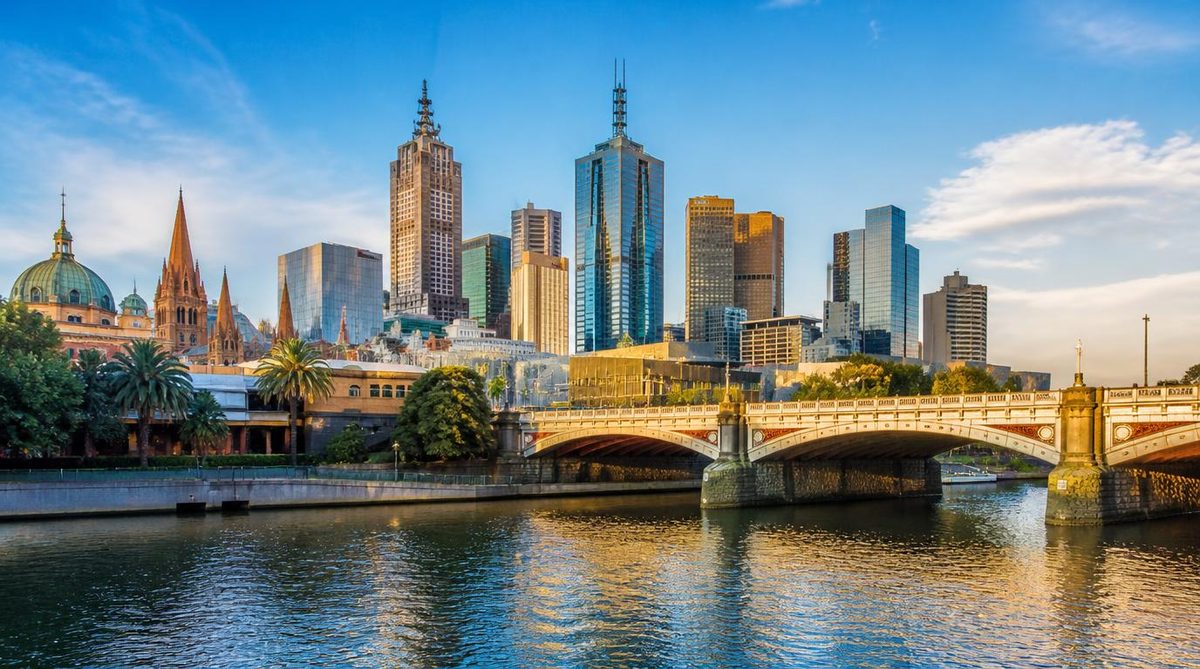
Melbourne is often considered the nicest city in Australia overall. It offers the strongest mix of food, art, parks, active streets and distinct neighbourhoods. You can fill a trip without relying on one famous attraction, and daily life extends far beyond the central business district.
Sydney is the better answer when beautiful scenery, beaches and famous harbour views matter most. Adelaide and Hobart suit people who prefer a calmer, more compact place. Brisbane appeals to those who want warm weather and outdoor city life, while the Gold Coast is the clear choice when the coast shapes the whole experience.
There is no official holder of the title. The word nicest can mean beautiful, friendly, easy to explore, exciting or comfortable to live in. Those meanings produce different winners. Melbourne is the clearest all-round answer because it performs well across more of them.
Why does Melbourne earn the strongest overall case?
Melbourne feels complete without being defined by a single postcard view. Its appeal comes from the way culture, food and neighbourhood life fit together. A morning in a city gallery can lead into lunch in an inner suburb, a walk through a park and an evening at a small venue. The city keeps offering new settings without asking you to travel far beyond its urban core.
That variety matters because a nice city must remain rewarding after the main sights are done. Central Melbourne has busy shopping streets, arcades, public spaces and art venues. Nearby districts offer their own food, architecture and street life. Chapel Street has a different pace from the central lanes, while Docklands brings open waterfront space and a newer urban feel.
Melbourne also rewards walking without making every walk about reaching an attraction. A side street, small park, market or row of local cafes can become the point of the outing. That makes the city work well for travellers who like to explore at their own pace. It also gives residents more choice in how they spend an ordinary day.
Food is part of the case, but the appeal is wider than a list of restaurants. Eating and drinking are woven into neighbourhood life. Cafes create busy morning streets. Markets support casual meals and local shopping. Restaurants make it easy to build an evening around a particular district instead of returning to the same centre each night.
Art works in a similar way. Major venues provide planned cultural visits, while live music, design, public art and smaller spaces add texture at street level. Melbourne feels like a city where culture is used, rather than stored behind the doors of a few institutions.
City quality of life indices may place Melbourne strongly under certain methods, but no index can settle a personal choice. Such lists weigh selected factors and turn them into one score. They cannot measure whether you enjoy cooler weather, busy cafe streets or the character of a certain suburb. Melbourne wins here as an informed all-round choice, not as an official champion.
Choose Melbourne if you want a large Australian city with deep cultural life, varied food and neighbourhoods worth exploring over several days.
When would Sydney feel nicer than Melbourne?
Sydney moves ahead when nice means visually striking. Its harbour, headlands, beaches and coastal setting give the city a natural drama that Melbourne does not try to match. Water shapes the views, the movement of people and many of the best ways to spend a day.
The harbour also brings famous Australian sights into the wider setting instead of leaving them as isolated stops. Ferries turn transport into sightseeing. Parks and waterfront paths open views across the city. Different shores reveal new angles, so the experience changes as you move rather than ending after one photograph.
This makes Sydney a strong choice for a first visit to Australia. A traveller with limited time may value instant recognition and concentrated visual impact. The harbour supplies both. Access to beaches adds another clear draw, especially for someone who wants city attractions and time by the sea in the same trip.
Sydney and Melbourne offer different kinds of pleasure. Sydney often impresses at first sight. Melbourne tends to reveal itself through meals, streets and repeated visits to different neighbourhoods. One is led by setting, while the other is led by urban experience.
A hypothetical traveller planning a first Australian holiday might picture a morning beside the harbour, an afternoon near the coast and an evening looking back across the water. Sydney fits that wish better. Another traveller who wants galleries, long lunches and local streets may find Melbourne more satisfying.
The distinction also prevents a common mistake. Calling Sydney the most beautiful city does not automatically make it the nicest for every person. Beauty is one test. Pace, climate, ease and preferred activities matter too.
Choose Sydney if your ideal city visit centres on harbour scenery, beaches, waterfront parks and sights that feel unmistakably Australian.
Which city suits someone who wants a calmer pace?
Adelaide and Hobart make a strong case for people who find the largest capitals tiring. Their advantage is not a lack of things to do. It is the ease with which a visitor can understand the city, settle into its rhythm and combine urban time with nearby surroundings.
Why choose Adelaide?
Adelaide offers a relaxed mainland capital experience. Its planned centre and surrounding park areas give the city a clear shape. The scale can feel easier to manage than Sydney or Melbourne, especially during a short stay when you do not want transport and distance to dominate each day.
The city works well for travellers who enjoy food, green space and cultural venues but do not need constant crowds or late-night energy. It offers the services of a capital while keeping a more measured pace. Nearby regions also add variety, allowing a trip to include city time without making the whole holiday urban.
Adelaide may feel nicest to someone who values room, order and easy transitions between activities. A hypothetical weekend visitor could spend time in the centre, pause in a park and plan an outing beyond the city without feeling that major districts have been missed.
Why choose Hobart?
Hobart offers a different form of calm. Its waterfront, older buildings and smaller scale create a strong sense of place. Hills and surrounding natural features remain visible from many parts of the city, so the urban setting rarely feels cut off from the wider environment.
That compact character suits visitors who want to explore without treating the trip like a race across a huge capital. The waterfront gives the centre a natural focus. Historic streets add character, while nearby landscapes make it easy to pair a city stay with time outdoors.
Hobart can also feel more intimate than the mainland capitals. That is appealing when a traveller wants atmosphere over size. It will feel less suitable to someone seeking the broad entertainment range and constant activity of Melbourne or Sydney.
Choose Adelaide for an easy-going mainland capital with open space and access to nearby regions. Choose Hobart for compact waterfront character and a close link between the city and nature.
Are Brisbane or the Gold Coast better for warm-weather living?
Brisbane is the stronger choice for a major city shaped by warm weather and outdoor routines. prettiest town in Queensland is better when beaches are the main reason for choosing the destination. They sit in the same part of Australia, but they offer different versions of city life. Brisbane or the Gold Coast
Brisbane has the feel and services of a state capital. Its river, parks and open-air areas support a social life that often moves outdoors. The city suits people who want urban dining, events and work or study options within a warm setting. Its appeal comes from combining city functions with a less coastal identity than the Gold Coast.
Climate preference can change the ranking at once. A person who dislikes cold days may place Brisbane above Melbourne despite preferring Melbourne's art and neighbourhoods. Someone who struggles with heat or humidity may make the opposite choice. Weather affects sleep, exercise, clothing and the time of day people want to be outside, so it has more influence on daily comfort than many city comparisons admit.
The Gold Coast places the beach much closer to the centre of its identity. Surf, sand and coastal movement shape the mood of the place. This creates an easy answer for travellers who judge a destination by how often they can reach the water. It is less convincing for someone whose ideal city revolves around dense cultural districts or the atmosphere of an older capital.
The Gold Coast can also carry more resort energy than Brisbane. Some people find that lively and freeing. Others prefer Brisbane's broader urban rhythm. The useful comparison is therefore not which Queensland city is universally nicer. It is whether the reader wants a capital with a warm outdoor lifestyle or a city whose daily image is tied to the coast.
Choose Brisbane if you want warm-weather city life with the range of a state capital. Choose the Gold Coast if beach access defines your ideal Australian experience.
Should you choose a different city for a holiday and a move?
Yes. The nicest Australian city to visit may be a poor match for your normal week. Holidays reward novelty, striking views and easy access to memorable activities. Living in a city brings work, study, travel routines, climate and neighbourhood fit into the decision.
Sydney may deliver the strongest first visit because its harbour and coast create an immediate sense of arrival. That does not prove it will suit a person's daily needs. A visitor can build each day around scenery. A resident must also think about where regular obligations sit and how much movement the city requires.
Melbourne remains the safest all-round recommendation for someone who wants variety. Its food, art, parks and neighbourhoods give it depth for both visits and ordinary life. Yet a person who places warm weather above cultural range may enjoy Brisbane more. Someone who wants a smaller city may feel more comfortable in Adelaide or Hobart.
Use two separate tests before choosing:
- Define what nice means to you. Pick the qualities that affect your enjoyment most, such as scenery, culture, climate, city size, beaches or a calm pace.
- Match the choice to the purpose. For a holiday, focus on the experiences you want during the available days. For a move, examine neighbourhoods and the practical demands of your own routine.
- Notice the trade you are making. Choosing Sydney for scenery may mean giving less weight to calm. Choosing Hobart for scale may mean accepting fewer big-city options. A clear trade is more useful than a vague ranking.
- Test the ordinary day. Picture a weekday with no sightseeing. Consider where you would walk, how you would spend an evening and whether the local climate would help or limit your preferred routine.
Melbourne is the best starting answer for culture, food and all-round variety. Sydney wins for a first trip built around iconic scenery. Adelaide and Hobart fit a slower pace. Brisbane fits warm urban living, while the Gold Coast fits a beach-led life.
Write down your two highest priorities, then choose the city that meets both.