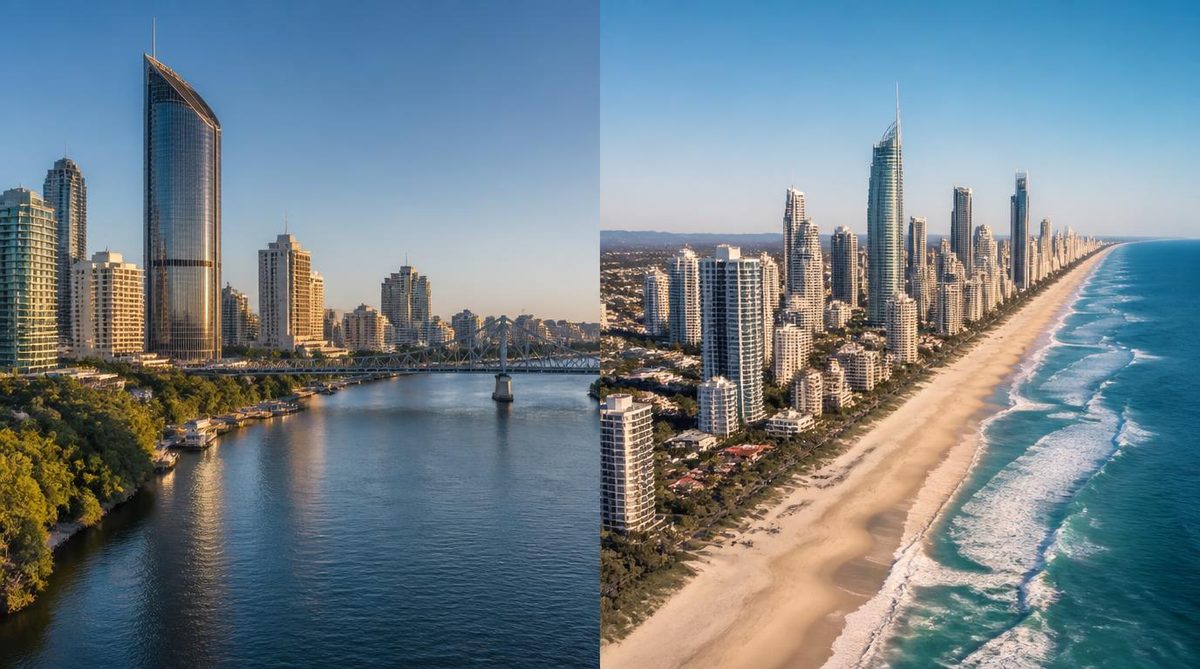
The Gold Coast is better for a beach holiday. Brisbane is better for a varied city break and will often make more sense for work, study and big city living. That is the clearest answer, but your purpose matters more than either city’s reputation.
Choose the Gold Coast if you want the ocean to shape most of your days. Choose Brisbane if you want inner city areas, cultural venues, riverfront spaces and more ways to change the pace of your trip. Families seeking an easy holiday atmosphere may prefer the Gold Coast. Visitors who want broader nightlife and urban culture may get more from Brisbane.
The choice changes again when you plan to live there. Beach access can improve your week if you use it often. It will matter much less if your workplace, course or daily services require a long and tiring commute. A place that works for a holiday can become inconvenient once ordinary routines take over.
Start with one question: what must this destination make easy? Your answer should guide every comparison that follows.
Do you want the beach to shape your whole trip?
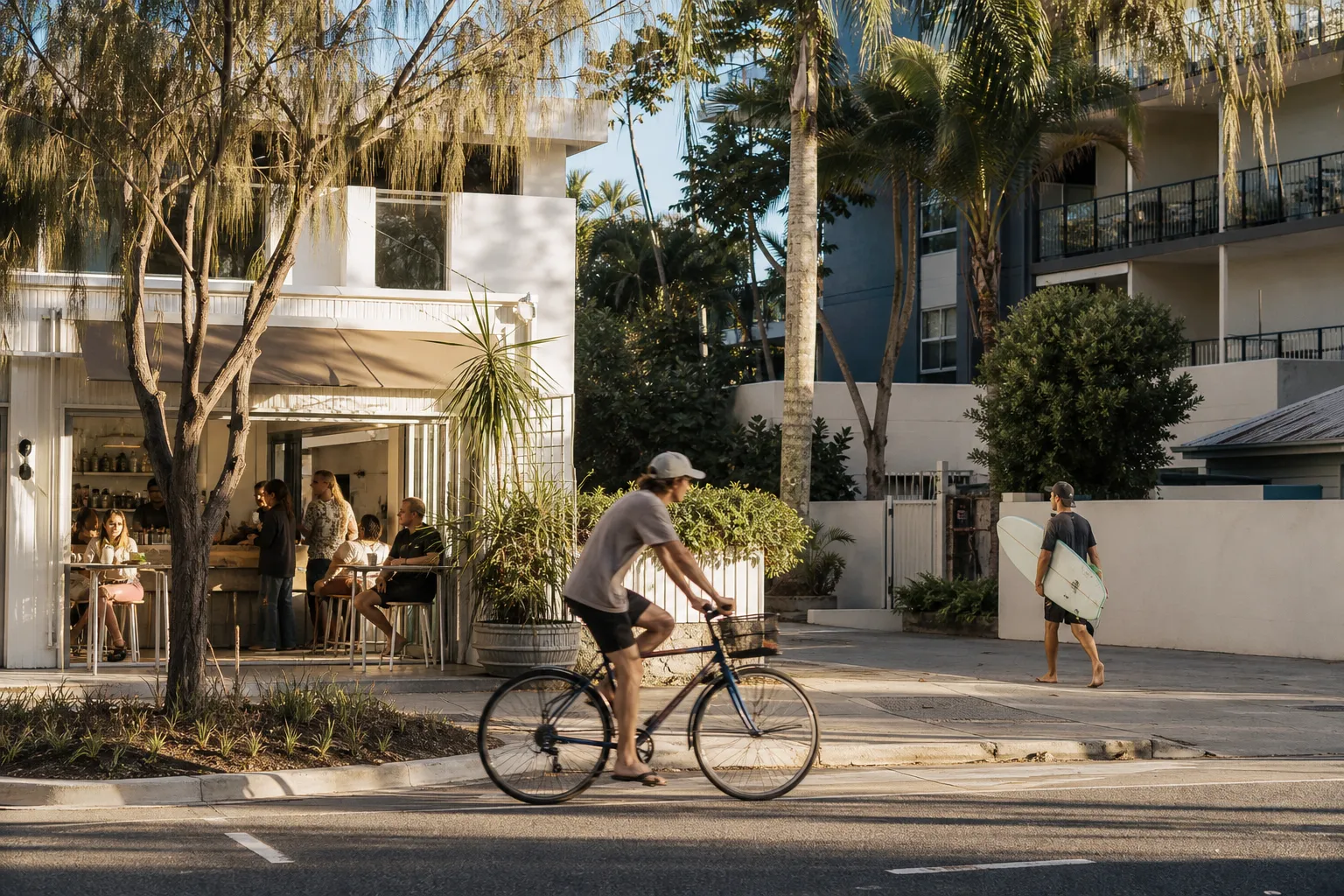
what the Gold Coast is most famous for. The coast is part of the destination’s daily rhythm. You can build a simple trip around mornings by the water, relaxed meals and outdoor time without feeling that you missed the point of the city.
Brisbane can still suit travellers who enjoy warm weather and outdoor spaces. Its visitor experience, however, is based more on the river, the central business district and surrounding urban areas. If you picture leaving your accommodation and walking straight towards a surf beach, Brisbane will not deliver the same type of holiday.
The Gold Coast also makes it easier to maintain a clear holiday mood. Surfers Paradise gives you the busy, bright and visitor focused version of that experience. It has a strong tourist feel, which can be useful if you want activity close at hand. Yet it represents one part of the coast rather than the whole destination. You do not need to make that precinct the centre of your stay to enjoy the Gold Coast.
The hinterland provides a useful change of scene when you want time away from the beachfront. Parks, walking areas and inland stops can break up a beach heavy itinerary. They add range, though the ocean remains the main reason most beach focused visitors should choose the Gold Coast over Brisbane.
Consider a hypothetical couple planning four quiet days with swims before breakfast and a coastal walk each afternoon. Brisbane might give them good restaurants and an enjoyable city visit, but it would place their main goal outside the natural flow of each day. The Gold Coast fits their plan with less effort.
Choose the Gold Coast if missing a beach day would feel like missing the purpose of the trip.
Would you enjoy a flexible city break more?
Brisbane is the better choice when you want the range of a large urban centre. A day can move between the Brisbane central business district, riverfront areas, cultural venues and inner city precincts. The appeal comes from changing settings rather than returning to one main holiday environment.
This makes Brisbane useful for travellers with mixed interests. One person may want galleries or city streets while another prefers gardens, dining or an evening event. A flexible urban base can support those different plans without making the trip feel centred on the beach.
Brisbane also suits visitors who like exploring a city through its neighbourhoods. The central business district is one part of the experience, not the whole of it. The river helps connect the city’s visual identity, while nearby precincts offer different places to eat, walk and spend an evening. You can plan full days without treating a single major attraction as the reason for visiting.
The Gold Coast is still a city and should not be reduced to sand and surf. It offers dining, entertainment, parks and busy commercial areas. Its visitor identity is simply more closely tied to coastal leisure. That focus is a strength when you want a conventional Queensland vacation, but it can feel limiting if your ideal trip depends on urban variety.
Nightlife follows the same split. The Gold Coast can provide an energetic holiday night out, especially in visitor heavy areas. Brisbane offers more scope to choose the character of the evening, from a city meal to a performance or time in an inner city precinct. The better choice rests on whether you want holiday energy or wider urban choice.
Choose Brisbane if the beach sounds pleasant but optional. Its strength is the freedom to build a city itinerary around changing interests.
Which city fits the way you want to live each week?
For daily life, Brisbane offers broader big city choice while the Gold Coast offers easier access to a coastal routine. Neither promise settles the decision. Your workplace, budget, preferred area and regular travel needs will have more effect on your week than a citywide image.
The Gold Coast is often described as relaxed, but living near a famous coast does not make every street, workplace or commute quiet. Visitor heavy areas can feel busy. Homes farther from the beach may create a different routine from the one you imagined. If coastal living is your main reason for moving, check how easily you could reach the water on a normal workday, not during a free weekend.
Brisbane can also support relaxed city living. You may value access to urban services while choosing a neighbourhood that feels removed from the busiest parts of the CBD. The trade off is that the surf beach experience will not sit at the centre of daily life. That may be irrelevant if you prefer local parks, river spaces, events and city convenience.
Use a normal Tuesday as your test. Picture the trip to work, grocery shopping, exercise, school needs and an evening with friends. Then picture the same day during rain, busy traffic or a change in your schedule. The city that still works is the better place to live.
A hypothetical remote worker who surfs several mornings each week may gain real value from living on the Gold Coast. Another remote worker who attends frequent city meetings and prefers cultural events may use Brisbane’s urban base far more. Both people want a pleasant lifestyle, but they need different things to be close.
Do not choose a home from holiday memories alone. Check current housing options, local services and door to door commutes in the exact areas you are considering. City labels cannot reveal how a specific neighbourhood will shape your day.
Should work or study decide where you live?
Brisbane is usually the more logical starting point when you want the breadth linked with a major urban centre. That does not mean it will always have the right job, employer or course for you. It means you should begin there when your search is broad and urban access matters.
The Gold Coast becomes the better choice when the opportunity you want is based there. A suitable role, campus or training program can outweigh a general belief that Brisbane offers more choice. The same applies when your work is flexible and the coastal lifestyle is one of your main goals.
Build this decision from real destinations. List the workplaces, institutions or campuses that match your plans. Check current vacancies, course details and attendance rules. Map the full commute from the areas where you could realistically live. Include the local travel at both ends instead of comparing city names.
This prevents a common mistake. Someone may choose Brisbane for career reasons, then learn that their actual workplace is difficult to reach from their preferred home. Another person may choose the Gold Coast for its lifestyle, then find that required travel consumes the time they expected to spend near the beach.
Hybrid work also needs a practical test. Fewer office days can make a longer commute seem acceptable, but each required trip still affects your schedule. Confirm where you must be, how often you must attend and whether those terms can change.
Let the fixed commitment lead. Choose the best workable area for your job or course first, then compare the lifestyle each city gives you around it.
Which destination works better for families?
The Gold Coast often suits families planning a simple leisure trip because the holiday can revolve around the beach, parks and visitor attractions. Parents can give the trip a clear shape without creating a new urban itinerary every day. That ease can be more valuable than having the widest range of possible stops.
Brisbane may work better for a family that wants a city visit with different interests. It gives you room to mix indoor venues, outdoor spaces and urban exploration. This can help when the beach is only one possible activity or when family members want different experiences.
The age and energy of the travellers matter. Young children may benefit from shorter daily plans and easy returns to accommodation. Older children may want busier activities or more freedom to choose. Adults travelling with relatives may care more about shade, seating, simple transport links and a calm evening than a famous visitor area.
Accommodation location can reverse the apparent winner. A well placed Brisbane base may make your chosen activities much easier than a Gold Coast stay far from them. A coastal property close to the places your family will use can remove needless travel. Compare the actual address with your planned days before you book.
A hypothetical family wanting most mornings on the sand and several major visitor activities would probably get more from the Gold Coast. A family planning cultural stops, city walks and varied meals would probably find Brisbane more useful. The number of attractions matters less than how many match your group.
Ask each traveller to name the part of the trip they care about most. Choose the city that satisfies the strongest shared preference with the least daily travel.
Can you visit Brisbane and the Gold Coast on the same trip?
Yes. Brisbane and the Gold Coast can play complementary roles in one South East Queensland itinerary. You do not need to force a single winner if both urban exploration and serious beach time matter to you.
A day trip works when you want a sample of the second destination. Base yourself where most of your planned activities take place, then use one day for the other city. This protects the main purpose of your holiday while adding contrast.
Do not treat a train journey as door to door travel. You still need to reach the departure station, make any required connections and travel from the arrival point to your actual destination. A beach, hotel or inner city venue may sit well beyond the station you first see on a map. Check current timetables and the full route before deciding that a day trip will be easy.
Driving needs the same care. Review present road conditions, parking plans and the travel required at each end. A route that looks simple on a regional map may take a large piece of your useful day once local movement is included.
A split stay is better when both places contain several priorities. Spend the urban part of the trip in Brisbane, then move to the Gold Coast for the beach part. Changing accommodation creates some effort, but it can prevent repeated travel and lets each destination shape the right days.
If you have limited time, choose one base. Pick the Gold Coast for a beach led escape. Pick Brisbane for a city led visit. Add a day trip only after checking the full door to door plan. If both experiences are essential, book a split stay and give each city its own part of the trip.